GSLV-F17 EOS-05 launch: Clear Insights on India’s Space Future
GSLV-F17 EOS-05 launch brings India new eyes in space with ISRO’s innovative technology.
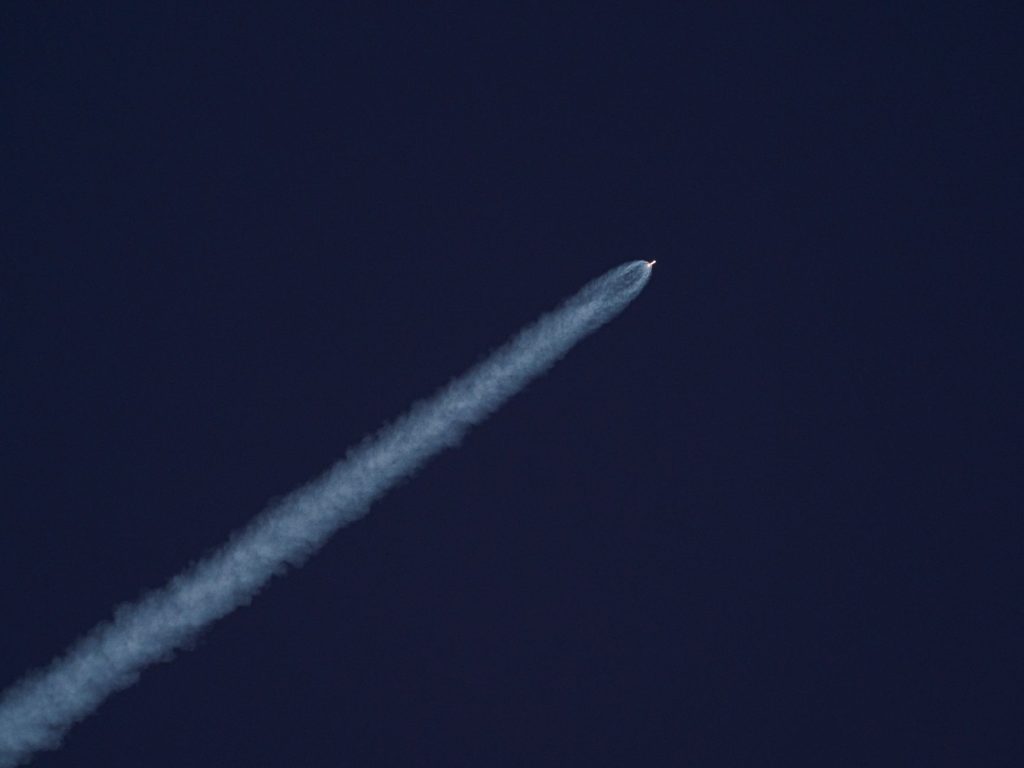
The GSLV-F17 EOS-05 launch is set to provide India new eyes in space, enhancing our capabilities in satellite technology.
Understanding the GSLV-F17 EOS-05 launch
The launch of the GSLV-F17 EOS-05 marks a significant milestone in India’s space endeavors. This mission is part of the Indian Space Research Organisation’s (ISRO) ongoing efforts to enhance earth observation capabilities. With advanced technology onboard, the EOS-05 satellite is expected to provide crucial data for various applications.
Key features of the GSLV-F17 EOS-05 launch include:
- Enhanced Imaging: The satellite is designed to capture high-resolution images, aiding in agricultural monitoring, urban planning, and disaster management.
- Data Transmission: Improved data transfer rates will allow for faster access to important information, benefiting researchers and policymakers alike.
- Multi-spectral Capabilities: With its ability to observe in multiple spectral bands, the satellite can assist in tracking environmental changes and managing natural resources.
The successful execution of the GSLV-F17 EOS-05 launch not only strengthens India’s position in the global space arena but also paves the way for future missions that will further explore the potential of space technology for societal benefits.
Importance of the GSLV-F17 EOS-05 launch for India
The recent GSLV-F17 EOS-05 launch marks a significant milestone for India’s space ambitions. This mission is not just another satellite deployment; it represents a leap toward enhancing the nation’s capabilities in earth observation and monitoring.
One of the primary reasons the GSLV-F17 EOS-05 launch is crucial is its potential to improve data collection for various sectors, including agriculture, urban planning, and disaster management. The satellite will provide high-resolution imagery, enabling better decision-making and resource management.
Additionally, the successful deployment of EOS-05 strengthens India’s position in the global space race. It highlights the growing capabilities of the Indian Space Research Organisation (ISRO) and showcases the country’s commitment to advancing its technological prowess.
The GSLV-F17 EOS-05 launch also opens doors for international collaborations, as countries seek to partner with India in space exploration and satellite technology. This could lead to shared knowledge and a boost to the Indian economy through the space sector.
In summary, the GSLV-F17 EOS-05 launch is a pivotal step forward for India, promising to enhance its space capabilities and provide valuable insights for sustainable development.
Key features of the GSLV-F17 EOS-05 launch
The recent GSLV-F17 EOS-05 launch marks a significant milestone in India’s space endeavors, showcasing several key features that enhance its capabilities.
- Advanced Payload Capacity: The GSLV-F17 is designed to carry heavier payloads into geostationary orbits, allowing for more sophisticated satellite missions.
- Enhanced Performance: This launch introduces improved propulsion technology, which boosts the vehicle’s efficiency and reliability during ascent.
- Innovative Satellite Design: The EOS-05 satellite is equipped with cutting-edge imaging technology, enabling it to capture high-resolution data for various applications, including agriculture and disaster management.
- Real-time Data Transmission: The mission supports advanced communication systems that facilitate quicker transmission of data from the satellite to Earth, providing timely insights for users.
- National Security and Development: The GSLV-F17 EOS-05 launch not only serves scientific purposes but also plays a crucial role in national security and development through enhanced surveillance capabilities.
Overall, the GSLV-F17 EOS-05 launch is a testament to India’s growing prowess in space exploration, paving the way for future advancements.
Challenges faced during the GSLV-F17 EOS-05 launch
The GSLV-F17 EOS-05 launch encountered several challenges that tested the resilience and ingenuity of the Indian Space Research Organisation (ISRO). While the mission aimed to enhance India’s capabilities in Earth observation, various factors posed hurdles throughout the process.
One significant challenge was the unpredictable weather conditions. Heavy cloud cover and potential rain threatened to delay the launch schedule, prompting the ISRO team to closely monitor meteorological reports. Additionally, technical issues related to the rocket’s systems had to be addressed, requiring meticulous checks and adjustments to ensure a successful mission.
Moreover, logistical challenges arose, including coordination among various teams and the need for seamless communication during the launch countdown. These factors underscore the complexity of space missions, where precision is crucial.
Despite these obstacles, the GSLV-F17 EOS-05 launch proceeded with determination and expertise. The successful overcoming of these challenges not only reflects ISRO’s commitment to advancing India’s space capabilities but also sets a precedent for future missions in the ever-evolving field of space exploration.
Future implications of the GSLV-F17 EOS-05 launch
The successful GSLV-F17 EOS-05 launch marks a significant milestone for India’s space endeavors, paving the way for future advancements in satellite technology and earth observation capabilities. This mission not only enhances India’s ability to monitor environmental changes and natural disasters but also strengthens its position in the global space community.
As the GSLV-F17 EOS-05 launch establishes a new benchmark in satellite deployment, several implications emerge for the future:
- Enhanced Data Collection: The satellite will provide crucial data for agricultural planning, urban development, and disaster management.
- Technological Advancements: Innovations developed during this mission are expected to influence subsequent launches and satellite designs.
- International Collaboration: The success of the GSLV-F17 EOS-05 launch may lead to more partnerships with other countries in the realm of space exploration.
- Increased Investment: A successful launch can attract more investments in India’s space sector, fostering further development.
In conclusion, the GSLV-F17 EOS-05 launch is a crucial step towards achieving long-term goals in satellite technology and strengthening India’s strategic capabilities in space.
How the GSLV-F17 EOS-05 launch will change space exploration
The recent GSLV-F17 EOS-05 launch marks a significant milestone in India’s journey towards advanced space exploration. This mission is expected to enhance the country’s capabilities in Earth observation, providing clearer and more detailed data that can be utilized across various sectors.
The launch introduces a new phase in satellite technology, impacting fields such as agriculture, disaster management, and urban planning. With high-resolution imaging, the EOS-05 satellite will enable more accurate monitoring of environmental changes and natural resources.
Additionally, the GSLV-F17 mission showcases India’s growing expertise in launching sophisticated satellites, which could pave the way for international collaboration in space research. It positions India as a key player in global space missions, potentially attracting partnerships from other countries seeking advanced satellite technology.
Moreover, the successful execution of this launch can lead to increased investment in India’s space sector, fostering innovation and job creation. As the nation continues to explore new frontiers, the implications of the GSLV-F17 EOS-05 launch will resonate well beyond the immediate results, shaping the future of space exploration for years to come.
Photo by Dirk Schuneman on Pexels